Thursday, 7 November 2019

KENYA SAFARIS

BIKE TOUR 

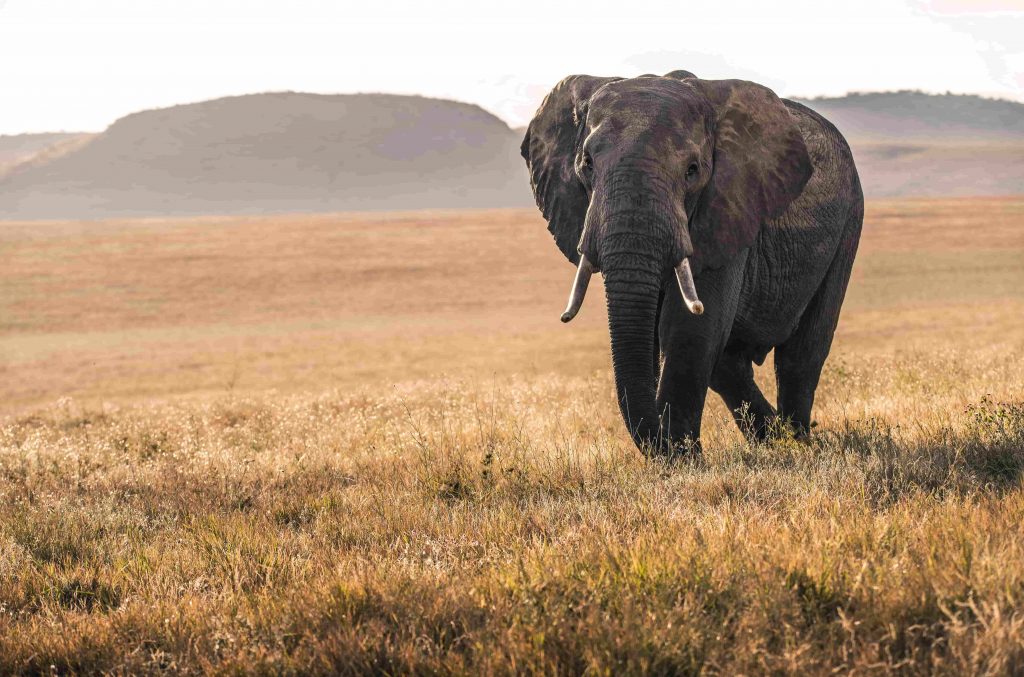
ELEPHANT

KING OF THE JUNGLE


RHINO


Kenya's Geography 
Kenya lies astride the equator on the eastern coast of Africa. Kenya is bordered in the north by Sudan and Ethiopia, in the east by Somalia, on the southeast by the Indian Ocean, on the southwest by Tanzania and to the west by Lake Victoria and Uganda.
Kenya is notable for its' geographical variety. The low-lying, fertile coastal region, fringed with coral reefs and islands, is back by a gradually rising coastal plain, a dry region covered with savanna and thorn bush.

At an altitude of about 1,524 m and 300 miles inland, the plain gives way in the southwest to a high plateau, rising in parts to 3,048 m, in which about 85% of the population and the majority of economic enterprise are concentrated. The northern section of Kenya, forming three-fifths of the whole territory, is arid and of semi desert character, as is the bulk of the southeastern quarter. In the high plateau area, known as the Kenya Highlands, lie Mt. Kenya (5,200 m), Mt Elgon (4,322m) and the Aberdare Ranger (rising to over 3,963 m). The plateau is bisected from north to south by the Rift Valley, part of the great geological fracture that can be traced from Syria through the Red Sea and East Africa to Mozambique. In the north of Kenya, the valley is broad and shallow, embracing Lake Turkana (160 miles long), while further south it narrows and deepens and is walled by escarpments 610 to 930 meters high. West of the Rift Valley, the plateau descends to the plains that border Lake Victoria. The principal rivers are the Tana and the Athi, flowing southeast to the Indian Ocean, the Ewaso Ngiro flowing northeast to the swamps of the Lorian Plain, and the Nzoia, Yala and Gori, which drain eastward into Lake Victoria. Low plains rise to central highlands, divided by the Great African Rift Valley.
THE RIFT VALLEY
The Great Africa Rift Valleys runs from North to South through the whole of Kenya. The Kenyan Rift Valley is a section of 6 000 km rift system which stretches from the Dead Sea in the Middle East, south through the Red Sea, Ethiopia, Kenya, Tanzania, Malawi and into Mozambique. Its' narrowest point is just north of Nairobi and the whole area contains several lakes, extinct volcanos and small game parks. Major geological upheavals caused a series of lakes in Kenya, some of which (Turkana, Naivasha and Baringo) are freshwater, but the others are soda lakes, with a high saline content. These are rich in algae and tiny crustaceans, which are the main food sources for the millions of flamingos gracing the lakes.
The upheavals also resulted in the sprouting of volcanic mountains, including Longonot and Mt Kenya. The scenery in the Rift Valley is breathtaking and particularly at the viewing points just north of Limuru and Naivasha and from the top of the Mau escarpment on the Kericho road. The approach, via road or rail, from Nairobi will take you up gently through the highlands and bring you suddenly to the edge of the Rift valley, which drops away to a ribbon of green in the valley floor below.

Mount Kenya
In the Central highlands a couple of hundred kilometers north of the equator lays Mt Kenya an extinct volcano, Africa's second highest mountain at 5,199mtrs. Mt Kenya is located 180km north of Nairobi. It's snow-capped peaks; Batain and Nelion are in view for miles around on the clear day. These peaks are regularly scaled by experience climbers, though few make it to the very top. Lenana, the third peak, is the most popular for climbing as it is relatively easy. The scenery is stunning and quite breathtaking. It is also a botanist's paradise, with a wide variation in flora as the altitude changes.

Hells Gate
Situated in the environs of Lake Naivasha, about 90 km from Nairobi is Hell's Gate National Park, which covers an area of 68.25 km2. The park is situated 14 km after the turnoff from the old Nairobi-Naivasha highway. The National Park covers a small area, but the landscape is impressive and can be explored on foot. Hell's Gate is characterized by diverse topography and geological scenery and is famous for its natural geysers, eagle and vulture breeding grounds. Two extinct volcanoes; Olkaria and Hobley's are located here. The entrance to the gorge is marked by Fischer's Tower, a 25m tall volcanic pinnacle. Animals like Giraffe, hartebeest, zebra, Thomson's gazelle, buffalo, eland and impala can be seen grazing on the grasslands.

Lake Nakuru
Lake Nakuru, a small shallow alkaline lake (it varies from 5 to 30 sq km) on the edge of the town of Nakuru lies about 160 km north of Nairobi. The lake is world famous as the location of the greatest bird spectacle on earth - serving as the congregation point for a roseatte mass of some 100,000 to 2 million flamingos and over 450 other species of birds - a spectacle of immense beauty. Lake Nakuru National Park is also the first rhino sanctuary in Kenya, which has recently been enlarged partly to provide a sanctuary for black rhino. The park is unquestionably "the greatest ornithological spectacle on earth." Other wildlife to be seen in the park are waterbuck, reedbuck, zebra, impala, Gazelle, lion, leopard, buffalo, hippo, and rhino, especially in the olive tree forest to the south west.

Lake Naivasha
Situated on the floor of the great Rift Valley is Lake Naivasha, a spectacular freshwater lake some 50 miles south of Lake Nakuru. Surrounded by mountains, Lake Naivasha boasts good bass fishing, bird watching, and easy walking on Crescent Island covering 170 sq kms. This beautiful freshwater lake surrounded by rolling hills and extinct volcanoes is home to over 450 species of birds. The lake's water is used to irrigate the bountiful agriculture, part of Kenya's massive horticultural export industry. A visit to these farms, for those interested in agriculture, is well worthwhile. Strawberries, flowers, asparagus and numerous other crops are grown for domestic consumptions and export. Black bass and tilapia make for entertaining fishing and a delicious meal.
Location:
Eastern Africa, bordering the Indian Ocean, between Somalia and Tanzania 
TSAVO NATIONAL PARK.
The Tsavo National Park, a vast arid region of 20,807sq km (8,034sq miles), is Kenyas largest wildlife stronghold. The Park comprises a diversity of habitats, open plains alternating with savannah bush and semi-desert scrub; acacia woodlands; rocky ridges and outcrops, and more extensive ranges and isolated hills; belts of riverine vegetation; palm thickets; and on the Chyulu Hills extension area, mountain forest. Asection of Lake Jipe is included in the extreme south-west of the Park, an extremely rich bird locality where Pygmy Geese and Black Heron are common.
The Park which lies roughly half-way between the coast and Nairobi, is bisected by the main Nairobi-Mombasa road and railway. This is designated as the Tsavo Road and Railway National Reserve. That portion lying north and east of the road is designated Tsavo Park East; that to the south and west, Tsavo Park West. The Park is watered by two permanent rivers, the Tsavo River which flows through Tsavo Park West and the Athi River which crosses a corner of Tsavo Park East. The two unite above Lugard Falls to become the Galana River. The Voi River, to the south, is not permanent.
Mainly on account of the difficult waterless nature of much of the terrain, parts of the Park have not yet been developed for visitors. These include the uninhabited scrub desert north of the Galana River.
Most of the Park is made up of basement gneisses and schists, but part of the western sector is of recent volcanic origin, including the Chyulu Hills extension. Here may be seen many lava flows and cones, such as Shetani, near Kilaguni Lodge, which is a perfect example of a recent volcano. This volcanic zone also contains the famous Mzima Springs, where some 50 million gallons of sparkling crystal-clear water gush out daily from below a lava ridge. Hippopotamus and shoals of Barbel live in the springs and provide a dramatic spectacle. The water is so clear that every action of these huge aquatic beasts under the water, and of their attendant piscine scavengers, may be watched from the lookouts or through the plate-glass windows of the submerged observation chamber.
Downstream from the springs is a dense and luxuriant stand of wild date palms and Raphia palms, the latter with immense fronds of up to 9m (30ft) long. It is not unusual to spot the rare and elusive African Finfoot swimming between the fronds where these touch the water.
One of the other great spectacles of Tsavo Park, perhaps its greatest , is Mudanda Rock between Voi and Manyani. This 11/2km-long outcrop is a water catchment area which supplies a natural dam at its base. In the dry season, hundreds of elephants come to drink and bathe. From a safe vantage point just above the water visitors may have the luck to sit and watch the activities of great beasts below them. A similar elephant spectacle may also be observed at Aruba Dam.
The Lugard Falls on the Galana River, 40km (25 miles) from Voi, are remarkable for the fantastic shapes of the water-worn rocks. The river disappears into a rocky gorge so narrow in one part that it is possible to stand astride the cleft with the Falls immediately below.
At present there is a network of over 800km (500 miles) of roadways in the Tsavo Park, passing through much of the best game viewing areas and following the rivers where there is the greatest concentration of game during the dry season. Specially rewarding circuits are those along the Galana River from Lugard Falls to Sobo, southwards to Aruba and then north-west to Mudanda Rock; and from Kilaguni Lodge to Tsavo Gate, along a stretch of the Tsavo River.
Elephants in large herds are the number one attraction in Tsavo. For those who like to indulge in game watching without effort, what could be pleasanter than to recline in a comfortable chair on the veranda of Kilaguni Lodge, a cold drink at hand, and watch the elephants take their refreshment from the waterhole 90m (100yd) or so away.
Tsavo is also a good place to see one of our most beautiful antelopes, the Lesser Kudu with spiral horns and white striped coat. Whilst you may come across these graceful animals almost anywhere, the dry bush along the Galana River is their favourite haunt. Other animals likely to be encountered are Buffalo, Common Waterbuck, Eland, Gerenuk, Fringe-eared Oryx, Impala and Masai Giraffe. Black Rhinoceros, once numerous, are now less frequently seen.
Birdlife is legion in the Park and the visitor is constantly meeting with new species. One of the most conspicuous is the White-headed Buffalo Weaver, brownish-black and white with a startling vivid red rump when it flies. Starlings are numerous, including the brilliantly plumaged Golden-breasted Starling and the rare but duller Fischers Starling. Hornbills are another prevalent group of birds, eight species occur in the Park. Birds of prey, Bustards, Sunbirds and Weaver-birds are other families well represented. Hole-nesting birds Starlings, Parrots, Barbets and Rollers  are often associated with the thick trunked Baobab trees which are such a feature of the landscape.
Accommodation in the Tsavo National Park includes Kilaguni Lodge, 35km (22 miles) from Mtito Andei, with full catering facilities and amenities. Some 32km (20 miles) from Kilaguni, at the end of the Ngulia Valley is the Ngulia Safari Lodge, also with all facilities. Nearby mist-netting is used to catch palearctic migrant birds for ringing. Just outside the southern boundary of the Park, south of the Taita Hills, are the Taita Hills Lodge and the nearby Salt Lick Lodge from which one can sometimes watch an elephant display at the water-holes there. One of Africas rarest birds, the Taita Falcon, sometimes visits these water-holes whilst hunting its avian prey.
Voi Safari Lodge, sited on top of one of the hills near the main entrance gate to Tsavo East AT Voi, also offers full amenities. Further west there is a luxury camp operated by Tsavo Safaris on the Athi River, with an access road from Mtito Andei.
Self-service accommodation is available at Kitani Lodge, Ngulia Self-service bandas and Murka Lodge in Tsavo West, and at Aruba Lodge in Tsavo East, 35km (22 miles) from Voi. There are bandas and a camp site with water at Lake Jipe, where a boat is also available. In addition there are camp sites with showers, toilets and drinking water at Tsavo East and West, Mtito Andei Gate, Chyulu Gate, Voi Gate and Buchuma Gate. They are sometimes used by film companies and booking is recommended. Outside the Park accommodation is available at hotels at Mtito Andei and at Voi. Main roads connect Tsavo National Park with Nairobi and Mombasa, and for those who travel by air there are landing fields at Kilaguni Lodge, Aruba and elsewhere.  
AMBOSELI NATIONAL PARK
Amboseli is justly famous for its big game  elephants, lions and cheetahs are the main attractions  and for its great scenic beauty.
The 3810sqkm (1,259sq miles) of this National Park and Game Reserve embody five main wildlife habitats, plus a generally dry lake-bed, Lake Amboseli, from which it takes its name. These are open plains; extensive stands of yellow-barked acacia woodland; rocky, lava strewn thorn-bush country; swamps and marshes; and at the western end of the Reserve, above Namanga, the massif of Oldoinyo Orok rising to over 2,760 (8,300ft) and still for the most part zoologically unexplored.
The landscape is everywhere dominated by the glistening, majestic snow-cap of Kilimanjaro immediately to               the south  Africas highest mountain (5,894m-19,340ft)  a fitting back-drop to a wild region where the pastoral Masai and their cattle have lived in harmony with wild creatures for many a century.
Amboseli may be reached from Nairobi by two main routes. The first is to Athi River and thence along the main Kajiado-Namanga-Arusha road, turning left through the National Park main gate at Namanga to Ol Tukai Lodge, 75km (47 miles) on. Total distance from Nairobi is 240km (150 miles). The second route is from Nairobi along the main Mombasa Road to some 16km (10 miles) past Emali, then branching right and following the main Loitokitok road: approximately 64km (40 miles) along this road it forks right and the Lodge is 32km(20 miles) farther on. Total mileage from Nairobi is 228km (142 miles). Accommodation is available at Amboseli New Lodge, Ol Tukai Lodge, Serena Lodge, Ol Tukai Tented Camp and the Namanga Hotel. Camp sites are also available.
The main game-viewing area of Amboseli lies in the eastern half of the Park, in the vicinity of Ol Tukai Lodge and Lakes Engoni Naibor and Loginya. Here a network of roads and tracks opens up a wild life paradise.
Elephant, Lion, Leopard, Cheetah, Masai Giraffe and Buffalo may all be encountered during a single mornings drive of about 90km (50-60 miles), together with plains game such as Common Zebra, Eland, Cokes Hartebeest, White-bearded Gnu, Common Waterbuck, Thompsons and Grants Gazelle and Impala. Black Rhino can still be seen occasionally although they are now rare due to poaching in the mid-1970s.
In the dry bush country towards Namanga, and in the arid area en route to Emali, two especially interesting antelopes may be found: the long-necked Gerenuk often called the `Giraffe-necked Antelope and the Fringe-eared Oryx. Smaller mammals always in evidence include Black-faced Vervet Monkey and Yellow Baboon, Black-headed Jackals, Spotted Hyaena and Bat-eared Foxes. The last may often be seen basking in the sun outside their dens or in the open plains.
Bird life is equally abundant, especially in the vicinity of the lakes and swamps where a great variety of water birds may be seen. That rarity in East Africa, the Madagascar Squacco Heron, turns up at fairly regular intervals and the plover with the habits of a lily-trotter, the Long-toed Lapwing, is a resident in small numbers. Sandgrouse of three species, Yellow-throated, Chestnut-bellied and Black-faced, water in their hundreds during the dry season, announcing their arrival at their favourite drinking place with far-carrying gutteral sounding flock calls.
Birds of prey are verywell represented. Including the six species of vultures no less than 47 different kinds have been recorded from Amboseli, amongst which are two great rarities, The Taita Falcon and the Southern Banded Harrier Eagle.
Around the lodges and tented camp, visitors will see flocks of a yellow weaver-bird with a patch of chestnut on the nape. This is the extremely local Taveta Golden Weaver, which outside of Amboseli may lightly be considered a rare bird. But the bird which quickly draws attention to itself on account of its brilliant plumage and fearless behaviour  it will alight on your table and partake of bread and cake crumbs  is the Superb Starling. 
MAASAI MARA GAME RESERVE.
The Mara Game Reserve, as it was originally known, an area of some 1,812 sq km (700 sq miles), was established in 1961. its southern boundary is contiguous with Tanzanias Serengeti National Park, and it is divided into two sections. The inner reserve of 518sq km (200sq miles) has been developed on the lines of a National Park, no intrusion of human settlement being allowed, while the outer remains an undeveloped area where local Masai are permitted to pasture their cattle but which is otherwise undisturbed. 
The Mara country is world famous for its vast assemblages of plains game together with their associated predators. It is perhaps the only region left in Kenya where the visitor may see animals in the same super-abundance as existed a century ago. The Reserve extends from the edge of the Loita Hills in the east to the Mara Triangle and the base of the Siria Escarpment in the west. The inner section, with its network of roads specially connected for game watching, embraces the area around the Keekorok Lodge and westwards to the Mara River.
Everything is big in Mara. It is a country of breath-taking vistas, a panorama of vast rolling plains and rounded hills, of intermittent groves of acacia woodlands and dense thickets of scrub. The whole is bisected by the Mara River and its tributaries which are margined by luxuriant riverine forest. And in every direction, there are the seemingly endless herds of game animals.
Mara possesses the largest population of lions to be found in Kenya, although poisoning by farmers along the western border has reduced the number of Black-maned Lions. It also boasts large herds of Topi and a small population of Roan Antelope, animals not found in many other Kenya National Parks or Reserves (although more common in Lambwe Valley and the Shimba Hills). Elephants are fairly common and the traveler may sometimes be held up by `elephants on the road.
Among the great variety of large beasts are Buffalo, Black Rhino (which may be seen more easily than at Amboseli or Tsavo), and Hippopotamus. The hippo-viewing platform on the Mara River near the Mara Serena Lodge is probably the best place in Kenya for seeing hippo. Other mammals include Leopard, Cheetah, Common Zebra, Cokes Hartebeest, White- bearded Gnu, Oribi, Warthog, and Thompsons and Grants gazelles.
The bird life of Mara is as profuse as its mammalian fauna. The red-winged Schalows Turaco with its attenuated white-tipped crest is common along the numerous wooded watercourses, and in the more extensive riverine forest there is also Ross Turaco. The Mara River is also the home of the great orange-buff Pels Fishing Owl and of flocks of wary Crested Guinea-fowl.
On the open plains, there is a variety of bustards including the large Jacksons Bustard and the black-bellied Hartlaubs Bustard. The latter during nuptial display soars high in the air, then with rigid wings descends slowly to earth like a pricked balloon. Ground Hornbills are one of the most spectacular birds of the open plains and more easily seen in the Mara than elsewhere in Kenya.
Birds of prey are abundant, and no less than 53 different species have so far been recorded. Secretary Birds are a common sight as they stalk sedately over the grasslands, and in the sky there are always vultures and that effortless flier the Bateleur.  
 Accommodation in Masai Mara National Reserve is at Keekorok Lodge, which is 265km (165 miles) from Nairobi on a road quite negotiable by saloon cars. The route is via the Nairobi-Naivasha road, turning left at 56km (35 miles); thence to Narok, 103km (64 miles), and then 106km (66 miles)to the lodge through some of the best game country in Kenya. In the undeveloped part of the Reserve a limited number of camp sites are available, but the numbers of campers allowed onto the reserve is strictly limited to avoid disturbance to the game, and there are tented camps near the eastern entrance and elsewhere.
In addition there is the Mara Serena Lodge, sited on high ground in the west of the Park overlooking the Mara River and two luxury camps sited on the eastern bank of the Mara River. These are the East African Wildlife Safari Camp near the old Mara bridge and the Governors Camp some miles further downstream.
Geographic coordinates:
1 00 N, 38 00 E

Area total: 
582,650 sq km
land: 569,250 sq km
water: 13,400 sq km

Area - comparative slightly more than twice the size of Nevada

Land boundaries 
total: 3,446 km
border countries: Ethiopia 830 km, Somalia 682 km, Sudan 232 km, Tanzania 769 km, Uganda 933 km
Coastline 536 km

Maritime claims:
continental shelf: 200-m depth or to the depth of exploitation
exclusive economic zone: 200nm
territorial sea: 12nm

Climate: varies from tropical along coast to arid in interior

Terrain: low plains rise to central highlands bisected by Great Rift Valley; fertile plateau in west

Elevation extremes:
lowest point: Indian Ocean 0 m
highest point: Mount Kenya 5,199m

Natural resources:
gold, limestone, soda ash, salt barites, rubies, fluorspar, garnets, wildlife, hydropower
Land use arable land: 7%
permanent crops: 1%
permanent pastures: 37%
forests and woodland: 30%
other: 25% (1993 est.)
Irrigated land: 660 sq km (1993 est.)
Natural hazards: Recurring drought in northern and eastern regions; flooding during rainy seasons
Environment - Current issues water pollution from urban and industrial wastes; degradation of water quality from increased use of pesticides and fertilizers; deforestation; soil erosion; desertification; poaching
Environment - International agreements
party to: Biodiversity, Climate Change, Desertification, Endangered Species, Law of the Sea, Marine Dumping, Marine Life Conservation, Nuclear Test Ban, Ozone Layer Protection, Ship Pollution, Wetlands and Whaling


KISITE MPUNGUTI MARINE PARK

WASINI  ISLAND


"Home of the Dolphins"

Unspoiled, beautiful and sun kissed, the Kisite Marine Park was established to protect the scenic islands and special habitats of a wide range of endemic marine animals and breeding migratory birds. It lies in the coral gardens south of Wasini Island and encompasses three small coral rag forest islands, each with considerable areas of fringing reef. Kisite is one of the most rewarding snorkeling locations at the coast. Visitors can also enjoy bird watching, diving and of course, sunbathing.

3 DAYS MASAI MARA

MASAI MARA 


DAY 1: MOMBASA-MASAI MARA
Pick from your beach hotel early in the morning and transfer to the airstrip for your flight to Masai Mara game reserve, arriving in time for short game drive, before driving to your luxury camp or lodge for check in and Lunch. After lunch Relax until late afternoon when you embark for your evening game drive to look for Mara Wildlife. All meals and overnight at FIG TREE tented camp
DAY 2: MASAI MARA 
Spend the whole day in Masai Mara. Probably one of the most well knew Parks, Masai Mara, and boarder Tanzania's Serengeti which is equally famous. Almost all the coveted game can be viewed here. Each year the annual migration of the nature's most awe-inspiring sights when many of the Million wildebeest and zebra in search of grazing and drinking water reach the Masai Mara from Serengeti and remain there until they make their long and arduous trek back "home". All meals and overnight at your Fig tree camp.
DAY 3: MASAI MARA-MOMBASA
Wake to an early morning game drive, after bush breakfast continue with game drive until time for lunch. Check out of the lodge then transfer to airstrip for your flight to the beach where upon arrival you will be transferred to your beach hotel.
This safari includes:
1.      flight from Diani and back after safari.
2.      All park entrance fees
3.      Accommodation with all meals
4.      All game drives by jeep
Insurance

Wednesday, 6 November 2019

NAIROBI NATIONAL PARK TRIP.


The highlights
Nairobi national park wildlife mini-safari points.
Daily morning & afternoon private tours
From /to Nairobi hotels
Most accessible and yet wild and  natural, Nairobi national park is just a breath and sight away from the bustling Kenya capital -Nairobi city
Established in 1946 and Kenya’s first the Nairobi National park is made up of  wide open grass savannah plains.Its scattered acacia bush is host to a wide variety of wildlife including the endangered black rhino, lions, leopards, cheetahs, hyenas, buffaloes, giraffes,bushbuck,hippopotamus and diverse birdlife with over 400 species recorded.
All these and much more to see at only 7 Kilometres from your city hotel and against the backdrop of Nairobi.
Number of persons    Price
1 person in private tour    $ 180
2 persons in private tour: per person:    $ 135
3 persons in private tour: per person    $ 130
4 persons booked together: per person:    $ 110
5 persons in private tour: per person:    $ 100
6 persons in private tour: per person:    $ 90
Children below 3 Years    Free
Children between 12-18 years 90% of adult rate:    
Children between 3- 12 years 75% of adult rate:    
Tour price includes
Pick up / drop off at your Nairobi hotel.
Transport in open top safari minivan
Services of English /other language speaking driver guide
 Game viewing drives
Park & other entry fees
Bottled drinking water.
Government taxes and local levies
Not included in tour
Tips / gratuities
Items of a personal nature.
Other tours in Nairobi.
.David sheldrick elephant orphanage visit.
.Karen Blixen museum vist
.Giraffe centre visit
.Kazuri beads factory visit
Morning tour starts at 0700hrs and ends at appr.1300hrs
Afternoon tour starts at 1330hrs and ends at appr.1845hrs

MOUNTAIN TREKKING.


MT KENYA

The Sirimon Track is one of the finest approaches to the peak area. It offers some of the best views of the main peaks, with a gradual climb, which can be done leisurely. We traverse the mountain by ascending the Sirimon Track.

Day 1
We leave Nairobi at 7am (latest)
We arrive at Nanyuki at 10 am where we have lunch.At 11.30 am we shall depart for the Sirimon Park gate.
Our Mountain trek starts from this point after a few formalities at the Gate, an easy trek in the afternoon to help acclimatization. Overnight will be at Old mosses (3300m) in the high altitude mountain cabins. By the end of the day we will have done 5 hours of walking.
Day 2
The day starts at 00800 Hrs
By the end of this day we shall have done about 8 hrs of walking (Leisurely). This will be a true taste of patience, endurance & determination.

Ascend the Sirimon Track to Likii North Valley, in this beautiful little valley below the subsidiary peaks of Teleki and Sendeyo, two ancient parasitic vents of the main peaks. (3990m).Climb out of the North Valley and into the Mackinders Valley, one of the broadest valleys on the mountain, with many giant groundsels. Camp at Shiptons Cabins the of the Mackinder's Valley, just below the main peaks of Batian and Nelion (4,300m).
Day 3
The day starts at 00200 Hrs
We start early so that we can reach the Peak at Sunrise
Alpine ascent to the highest peak, Pt. Lenana (4985m). En route up the north face little used by tourists. Four hours of stiff walking to the summit. This will be the most challenging bit of the Mt Trek and will require a strong mind to reach the summit. At about 0730 Hrs we shall start the descend back to Mintos Hut where we shall have break fast. Latter on we shall then descend to the Mt Kenya Meru Banda’s.
Day 4
The day starts at 00800 Hrs
We shall leave Mt Kenya Meru Banda’s and start our 4 Hrs walk out of the Park via Chogoria
Included within your safari:
Accommodation whilst on safari (no need of tents, just your sleeping bags)
All transfers and as mentioned above
Park entry fees at the park (Mt Kenya)
All park entry and conservation fees
Lunch at Nanyuki & The Chogoria Exit.
All the meals whilst Mountaineering.
Services of a professional guide
We shall all have a porter each (thus guests will only be carrying their day packs)
Excluded from your safari:
Beverages and other extras in Nanyuki
All activities not mentioned above
Items of a personal nature
Personal insurance covers (including emergency evacuation cover
Cost :
Non Resident:
1 Pax US$ 1,706
2 Pax US$ 1,107 Per Person
3 Pax US$ 907 Per Person
4 Pax US$ 807 Per Person
5 Pax US$ 748 Per Person
6 Pax & More US$ 708 Per Person
Kenya Citizens:
1 Pax- Kshs 117,291
2 Pax – Kshs 68,270 Per Person
3 Pax – Kshs 51,929 Per Person
4 Pax – Kshs 43,759 Per Person
5 Pax – Kshs 38,857 Per Person
6 Pax & More Kshs 35,589 Per Person
Kenya Residents & Citizens of East Africa Member Countries
1 Pax – Kshs 119,223
2 Pax – Kshs 70,201 Per Person
3 Pax – Kshs 53,860 Per Person
4 Pax- Kshs 45,690 Per Person
5 Pax – Kshs 40,788 Per Person
6 Pax & More – Kshs 37520 Per Person

MT. KILIMANJARO SPECIAL.


MT KILIMANJARO


Departing from / returning to Mombasa,Diani,Bamburi,Watamu,Kilifi,Malindi beach resorts
Private safari tour
Tsavo East is the largest National park in Kenya.
Amboseli national park lies at the floor of Mount Kilimanjaro ( Africa's highest mountain )
The combined Tsavo East & Amboseli safari package provides an excellent opportunity to view wildlife and awesome scenery in premium Kenya national parks
Mount Kilimanjaro with views of the snow-capped peaks provides  magnificent back ground for wildlife & scenery photography.
 Safari highlights:
Tsavo East national park
•Dust-red elephant wallowing ,rolling or foraging,Lion,Giraffe,Zebra,Cheetah,Warthog,Ostrich,Water-buck and many more..
•Aruba Dam - located on the northern bank of the seasonal Voi river,and visited by thousands of animals and is a great game viewing destination.
Amboseli National park
•Large herds of Elephants
•Mt. Kilimanjaro
•Big Five
•Observation hill which allows an overall view of the whole park especially the swamps
•Contemporary Masai culture and indigenous lifestyle
Safari program
DAY 1: MOMBASA - TSAVO EAST
Early pick up from your Kenya coast beach resort or Mombasa hotel
Proceed on a scenic drive through the Mombasa-Nairobi highway.
The 120km, 3 hour  drive takes us to the southern entry point of  Tsavo East National park.
There shall be a brief stop for refreshments at the park gate (pay direct)
Commence game viewing drives on entry in search of Elephant, Lion, Zebra, Giraffe, Buffalo, Cheetah, Antelopes, Kudu, Ostrich and many more.
Later relax at your lodge/ camp while looking forward  to  the afternoon game viewing drive when the wild comes alive after the mid-day heat
We shall go out for more game hunting  while we marvel at  the scenery and take in the splendor of  the African sunset on  the savanna..
Your experienced  safari driver/ guide shall guide you through the national park tracks and later drop you off at your  safari lodge or tented camp for overnight.
Meal plan: Lunch, Dinner
What you may see at Tsavo East national park ......
Larger mammals including vast herds of dust-red Elephant,Rhino,Buffalo,Leopard,Lion,Hippo, Crocodile, Waterbuck, Lesser Kudu Gerenuk and Hirola.
 
DAY 2: TSAVO EAST - AMBOSELI
An early date with nature!!............
The day starts with an early breakfast before setting off for Amboseli with a short exit game viewing drive.
At the  Amboseli accommodation we freshen up and relax before venturing out for a short game viewing drive.
Afternoon game viewing drives at the Amboseli National Park.
The Park  is small and open with  game being  easily seen.
 Mount Kilimanjaro provides  the ultimate scenic background for amateur and professional photography.
.....what you missed at the Tsavo East may be found here!.
Overnight at your Amboseli safari lodge or tented camp
Meal Plan: Breakfast, Lunch, Dinner.
What you may see at Amboseli national park .......
Elephant,Buffalo,Giraffe,Zebra, Lion,Mongoose, Hyrax, Dik-dik,lesser Kudu and more
DAY 3: AMBOSELI - MOMBASA (400 km, Appr. 7 hrs with lunch stop)
We shall be early again!
The African sunrise and emergence of the Mount Kilimanjaro peaks from the clouds is awesome.( weather permitting)
We shall marvel at this phenomena  as we enjoy  breakfast.
Shortly later depart the Amboseli  with a short exit game viewing drive.
Proceed to the Kenya coast
Arrive Mombasa in the late afternoon / early evening.
Drop off at your  Kenya beach resorts
Meal Plan: Breakfast, Lunch.
Choose standard, or luxury accommodation option depending on safari budget / style
Luxury lodges/ tented camps option:
Tsavo East National Park:  Satao camp,Ashnil Aruba lodge
Amboseli National Park: Oltukai lodge,   Amboseli Serena lodge.
Standard lodges / tented camps option:
Tsavo East National Park: Voi safari lodge , Ashnil Aruba lodge, : Sentrim Tsavo Camp, Ndololo Camp , Voi wildlife lodge
Amboseli National Park: Amboseli Sopa Lodge , Sentrim Amboseli , Kibo Safari Camp
Price per person sharing .in private safari.
Standard Luxury
2 persons on private safari: per person:$ 520    $ 670
4 persons on private safari: per person:$ 400    $ 550
6 persons on private safari: per person:$ 360    $ 510
Single room extra: per person:        $ 90    $ 160
Children between 3-11 years 50% of adult rate:              
4 x4 Land Cruiser Jeep extra:
2 persons on private safari: per person: $ 110
4 persons on private safari: per person: $ 60
6 persons on private safari:  per person: $ 40
Safari price includes:
Transport in customized pop up roof minivan or 4x4 jeep        
-Services of an experienced English/ other language speaking  driver/ guide.        
-Stay in economy,standard or luxury lodges / tented camps        
-Game viewing drives        
-Park entrance fees.        
-All meals on safari.        
-Bottled drinking water in safari vehicle.        
-Pick up /drop off at Mombasa,Diani,Bamburi,Watamu etc        
-Government taxes and local levies        
 Not Included in the safari price
-Other bottled drinks.        
-Items and services of a personal nature.        
-Tips or gratuities   

3 DAYS TSAVO EAST 4 PAX SPECIAL VOI SAFARI LODGE


                      3 DAYS TSAVO EAST 4 PAX SPECIAL VOI SAFARI LODGE


Day 1: Mombasa/Diani Beach- Tsavo East
Our guide will pick you from your coastal hotel at 6.00 a.m and drive for 3 hours to Bachuma gate. Start your morning game drive at 0930 Hrs through these vast plains. Have a chance to spot herds of Red Elephants, Lions, Giraffes, Zebras, Gazelles, Buffaloes, Waterbucks, Impalas and different bird species. Your Game drive will continue until 1230 Hrs time for lunch. Have your lunch at VOI SAFARI LODGE. After lunch, relax until 4.00 p.m when you will depart for an evening game drive after a cup of coffee. At 6.00 p.m, return to the LODGEfor dinner and overnight stay.
Spend this full day on game drive as well as exploring the various Tsavo attractions including Lugard's falls, the Mudanda rock, Kanderi and Aruba dams. Lunch will be served on a picnic site at the Mudanda rock. Dinner and overnight at VOI SAFARI LODGE
Early morning game drive at 6.30am until 8.30am time for your breakfast. After breakfast, game viewing en route to the Lion HILL LODGE for lunch.  which overlooks the vast plains of Tsavo. After Lunch, drive back to your hotel arriving at 5.00pm.
  • Full Board accommodation
  • Park entrance fees
  • Government taxes
  • Service of an English/German speaking professional driver/guide.
  • Game drives as detailed in the itinerary.
  • Exclusive transport in an all weather 4x4 Jeep or Van
  • Bottled drinking water
  • Emergency medical air evacuation Cover.
  • Tips
  • Drinks
  • Items of a personal nature


Day 2: Tsavo East 
Day 3: Tsavo East to Mombasa/Diani Beach
Tour Package Price Includes:

  • Accommodation
  • transport
  • meals on full board
  • water.


Things you need to budget for. The price does not include:
Photography etc

Thursday, 31 October 2019

BOOKS TO INSPIRE YOUR 2020 TRAVEL.

1. THE GOOD GIRLS' GUIDE TO GETTING LOST by Rachel.

“I imagine the people whose lives are most intertwined with mine, and I realize life has gone on without me. The planet has not imploded because I, the girl who has always done what is expected of her, decided not to, just this once.”
I love this book mostly because it’s so relatable!
Rachel Friedman is the typical goody two shoes who has lived all her life by the books. On a whim, she decides to buy a ticket to Ireland where she met a free-spirited Australian girl who inspires her to travel to Australia and South America.
It is a funny and honest memoir of how she breaks free from her shell as she travels across three continents, learning how to live in the moment.
  2. ON THE ROAD, by Jack Kerouac.

“The best teacher is experience and not through someone’s distorted point of view”
Naturally, no best travel books list would be complete without Jack Kerouac’s On the Road. The book’s whimsical storytelling will transport you through America post-World War, bringing you back to the golden age of exploration.
It is a mix of poetry, jazz, travel and drugs, taking you through a roller coaster of emotions.

3. THE BEACH by Alex Garland.

“Trust me, it’s paradise. This is where the hungry come to feed. For mine is the generation that travels the globe and searches for something we haven’t tried before. So never refuse an invitation, never resist the unfamiliar, never fail to be polite & never outstay the welcome. Just keep your mind open and suck in the experience— And if it hurts, you know what? It’s probably worth it.” 
First things first, the book is so much better than the movie!

Alex Garland has nailed the feeling of why travelers go off the beaten path, in search of a place they can call paradise. This book can evoke a serious case of wanderlust as he transports you to a time before mass tourism has taken over Thailand.
  4. ATLAS OBSCURA by Joshua, Dylan, Anna Faustino.

While this doesn’t really fall under the travel fiction category, I love, love, LOVE this book.
Atlas Obscura features some of the lesser-known places in the world that range from weird to obscure. It’s a bucket list for hardcore adventurers and travelers who are sick of the usual “I want to see the Eiffel tower while in Paris”.
It features the Gates of Hell in Turkmenistan, a bone museum in Italy, and other off the beaten path destinations. It’s inspiring, bad ass, and everything we love about obscure travel. Really, check this one out, guys!
5. IN SUNBURNED COUNTRY by Bill Bryson.

“As the saying goes, it takes all kinds to make the world go around, though perhaps some shouldn’t go quite so far around it as others.”
Known for his hilarious humor and knack for shedding light on traveling to a new place, this award-winning author has perfectly captured the essence of Australia. Bill Bryson tells it all — from dangerous critters, stunning beaches, to the strife and history of the aboriginals.
I enjoyed this book as it really puts a twist and brings a humorous perspective to traveling Australia. His approach is factual, interesting, and really really funny, without resorting to the usual stereotypes of “I’m-from-Australia-and-I-love-beer”.

WHAT TO KNOW BEFORE VISITING KENYA FOR THE FIRST TIME.

Visiting Kenya? What you need to know.


Visiting Kenya? what you need to know 1THE MASAI COMMUNITY.

81
/ 100

SEO Scor

Payment

When booking a trip with Janaoland Travel most activities are usually included in the price. Drinks, tipping, shopping and additional activities are for extra cost.
You can use VISA and Master Cards at most camps and lodges on safari. Hotels and beach resorts do accept credit/debit card payments though with a surcharge of 5 %. It is, however, good to have cash in Kenyan shillings for tipping and some shopping. Forex exchange can be done at the various banks or immediately you land at the airports in Nairobi or Mombasa airport An average of about 2000 KES – 5000 Kes should suffice, depending on your shopping needs. Be sure to get smaller notes. In Lamu you are best advised to bring cash with you, as most restaurants and shops do not offer VISA services. There is a cash machine in Lamu town for withdrawing cash. There a few banks like DTB and KCB banks right when you embark of at the Jetty in Lamu town.
The currency in Kenya is the Kenyan Shilling (KSH). Especially in the rural areas you might not find an ATM easily. Not all of ATM accept VISA or Mastercard.  Always make sure you get your money sorted in the bigger city and you have a bit of cash when traveling to the rural areas. In addition almost every African country there is a withdrawal limit per day which is about 20,000 – 40,000 KSH.

Language spoken

The national language in Kenya is Swahili, which is a mixture of Arabic, Portuguese and Local Bantu languages. Swahili is spoken in a few other countries which includes Tanzania, Uganda, Burundi, Democratic Republic of Congo and Rwanda. English is the other official language in Kenya.
Time
Kenya is 3 hours ahead (all year round) of the Greenwich Mean Time (GMT)
Weather
Kenya is situated close to the equator so does not experience a real winter or summer season. The country has a pleasant tropical climate but can vary greatly depending on several factors, particularly altitude. Daytime temperatures on average reach between 20°C/68°F and 28°C/82°F, with hotter and more humid temperatures on the coast often rising above 30°C/86°F. The coastal areas are humid and hot all year round but tempered by the monsoon winds. Temperatures inland are relatively temperate, with a hotter and drier climate in Kenya’s northern parts.
The hottest time of the year is from mid-December through to March, with the coolest period from late June until October. The long rains fall from late April throughout May to early June, with the short rains falling from November until mid-December.

Dress code

When it comes to clothing, you need to take extra caution as Kenya often exhibits unpredictable weather patterns. Here’s a basic guide of the kind of weather to expect at certain times of the month.
January- mid March: Most parts of the country are hot and dry. Light dressing would be appropriate. You can however carry moderate clothing for the cold nights.
Mid-march-June: Most parts of the country are experiencing the long rains, but the weather is warm. Carry warm clothing.
June-mid October: Fairly hot. The plains are green and it is a good time to explore. Carry a mix of light and warm clothing as the temperatures drop drastically in the evening and nights.
Mid-October-December: Short rains. Most parts of the country are fairly cold and wet. It would be in order to carry warm and light clothes.
A point to observe is that in the major Kenya cities, most people appreciate contemporary culture and don’t place too much emphasis on dressing. In the rural areas however, because of the reserved African culture, there still exist prejudice towards women dressing in excessively short skirts, short dresses or shorts and pants.
Business suits and business casual for men and ladies is the accepted wear if traveling to Kenya on business
At Masai Mara the dress code is fairly informal; just pick the clothes that you are most comfortable in.
In the Masai Mara you are at about 1300-1500 meters above sea level, so nights can be a bit chilly. Bring your sweater or fleece jacket and wind or rain coat as well. Morning and evening game drives can be quite cold.
The Savannah is dusty, so white clothes are not advisable. Sandals are fine within the camp, but canvas shoes – preferable with a solid sole – or comfortable walking shoes are important for walking safaris. Bring a small backpack to carry your water bottles, notebooks, binoculars etc.
If visiting Lamu, we strongly encourage covered shoulders and knees when in Lamu town or Shela Village, out of respect for the locals’ religion and culture. When you are on the beach or at the Dhow, bikinis or bathing suits are fine.

Children

Kenya Visa Fees Waived for Children 15 and Under. His Excellency the President Uhuru Kenyatta announced that Visa fees for children 15 and under will be waived altogether, effective February 1, 2016. A tourism incentive to promote family travel to Kenya
Children are more than welcome, and we often have young visitors! A safari is an excellent experience for all generations; we have had many groups of multiple generations traveling together, with great success for all participants.
Most camps, lodges and resorts in Kenya are children friendly are dedicated to providing the ultimate safari experience to both adults and children. However, due to our broad product diversity, there are certain considerations to take into account when considering family safari holidays. We have therefore carefully developed some guidelines that will help families make the most of their safari in Kenya since we have something for everyone regardless of age.
Accommodation can be shared with parents or in an adjoining room with a connecting door. Most hotels will also provide nanny services and baby cots for the very young ones.
It is usually recommended for families traveling on safari to book a private vehicle due to complexities of making sure you are in time with other safari goers.

Medical emergency on safari

Malaria
Whilst Nairobi and some other highland areas are relatively low-risk malaria zones, malaria in Kenya (as well as many areas of East Africa) is endemic so we strongly recommend that you obtain anti-malaria medication before you depart from your medical doctor or other health authority. The most commonly prescribed malaria tablet is currently Malarone.
Malaria tablets unfortunately often come with some side-effects (fortunately the most common ones aren’t too serious) and for the most part, manifest with a light-sensitivity and slight upset tummies. We thus recommend that you regularly apply a high SFP sunscreen (even for olive skin).
Vaccinations
If you are traveling around Africa you will need to be vaccinated against Yellow Fever and you may even be required to show your Yellow Fever certificate on entry in Kenya, so be sure to get one before you depart on your travels! The Yellow Fever jab lasts 10 years (so even though it’s relatively pricey around £80, it’s money well spent) and must be administered at least 10 days before departure. This vaccine is recommended for children 9 months and older.
Medications
It’s always a good idea to pack your own small medical kit to have on hand for any minor travel-related ailments such as headaches or hay fever. If you need to take prescription medication please ensure that you pack enough supplies to last your entire holiday, as it may be difficult to get hold of specialized medication in remote areas.
What happens if there is a medical emergency on safari?
Should you require medical services while on safari, we have an in-house doctor who will attend to you. In the event of a medical emergency you are assured of the services from the Flying Doctors, a group of well-qualified physicians who travel by aircraft throughout the East African bush providing treatment and emergency transportation to quality medical facilities in larger towns. We also recommend that you purchase a Medical travel insurance with a supplement benefit for emergency medical evacuation.

Insurance

Insurance is always the guest’s responsibility
Make sure you have valid travel insurance that covers your safari trip to Kenya.

Is it safe to drink the water?

We recommend that you drink only bottled water (not tap water). While staying in any of camps or lodges, you will be supplied with bottled water in your tent, it will also be available during meal times as well as in the vehicle during game drives. We recommend you use bottled water for brushing teeth as well.
Tipping is normal in Kenya – if you are satisfied with the service, a suitable tip is normally around 10%
Most camp will kindly ask you to use the tip box at the reception rather than to tip staff members individually to we encourage teamwork; hence the tip is shared among-st all the staff, not only those few who come close to the guests.

What to pack?

The key thing to remember whilst packing for Kenya is to pack comfortable clothes with neutral colors that will blend into the African bush. You don’t’ have to run out and buy expensive safari gear; jeans, a neutral t-shirt, and a baseball cap are completely acceptable!
Sunglasses, sun hat, sun cream, a small torch, and a pair of binoculars are part of essential safari packing. The African sun is hot, and Kenya is no exception. While getting a nice tan may be on your vacation to do list, we’re sure being an angry, crispy, sun burnt red is not something you’d enjoy. While the risk of sun damage may be slightly higher in areas like the coast and less in the cloudier highlands, pack a little sun protection anyway. Better safe than sorry!
Also, bring your favorite book for the hammock. If you enjoy reading in bed, it might be smart to bring your head torch – it gets a bit dark in Africa during nighttime. Soft bags are easier to store in safari vehicles or small airplanes than solid suitcases. Note that if you are flying to the Mara, the weight limit is 15kg per person.
When traveling on safari, baggage should be kept to a minimum of 15kg since you will be using a chartered aircraft from Nairobi to Masai Mara.
This should be in soft duffel bags as opposed to hard suitcases to fit in the baggage compartment on small aircraft. Most internal flights allow a limit of up to 15Kg (33-lbs) of luggage per person including hand luggage. On road safaris, the weight and size allowance is not strictly monitored but you should still try to travel light. Please read your itinerary carefully and pack accordingly.

Arrival at Nairobi

Upon arrival at Jomo Kenyatta International Airport (JKIA) you will have to clear immigration.
You will need a visa when visiting Kenya if you are a citizen of the USA, United Kingdom, Australia, Canada or any other EU country. If you hold citizenship for any other country please consult the below link to determine if you require a visa: Kenya Visa Requirements
Single-entry visas Under the East African partnership system, visiting Tanzania or Uganda and returning to Kenya does not invalidate a single-entry Kenyan visa, so there’s no need to get a multiple-entry visa unless you plan to go further afield. Always check the latest entry requirements with embassies before travel.
The East Africa Tourist Visa scheme issues tourists with a 90-day, multiple-entry visa that covers travel to Kenya, Uganda and Rwanda for a single fee of US$100. These visas are available upon arrival at Jomo Kenyatta International Airport in Nairobi, and at most land crossings. Apart from convenience, the East African Tourist Visa could save you money, with individual visas for most (but not all) nationalities costing US$50 for Kenya, US$50 for Uganda and US$30 for Rwanda.
Also, make sure you have a current and valid passport, that it is not about to expire. Expect that your passport could take up to six weeks to arrive, so make sure you plan well in advance for your passport needs. As a rule, your passport should expire no sooner than six months before the end your travel.
When preparing for your passport, it is advisable to make several copies of the actual passport or visa (in addition to the original). This is for your own safety because the last thing you want to do is to be out of your home country without any way to provide proof of your identity, should you lose your passport. You should leave one of the copies at home before you travel, just in case. When you travel with the original passport, always keep it locked up safely, in a hotel safe or other secure location.
Before you leave for Kenya, make sure you have the following:
  • Valid Passport
  • Arrival Ticket
  • Return Ticket
  • Adequate Funds
  • Visa (if required)
The Visa process at the airport might be a bit chaotic with everyone filling in forms and joining the queue. You should have been given an immigration form on the plane and it is wise to fill this in before landing, but you can find them at the airport. That way you can go straight to the queue to passport control. Make sure you have the needed paperwork for your approved online visa application.
As with most travel destinations, your passport needs to be valid for at least six months beyond your departure date out of Kenya, with at least two consecutive (un-stamped) blank visa pages in your passport.
The visa costs around £30 or $50 and can be bought on arrival in Nairobi (just ensure that you have the exact US dollars with you and that your US$ bills were issued after 2006) or in advance from the relevant Kenyan High Commission
After picking up your bags, you can head to the exit. Just outside the arrival’s hall, you will be met by a driver, who will be holding a sign displaying your name. The arrivals hall is often very crowded, and you might be approached by taxi drivers before seeing our representative. Just ignore these approaches and keep looking out for your driver.

Customs Regulations

There are strict laws about taking wildlife products out of Kenya. The export of products made from elephant, rhino and sea turtle are prohibited. The collection of coral is also not allowed. Ostrich eggs will be confiscated unless you can prove you bought them from a certified ostrich farm. Always check to see what permits are required, especially for the export of any plants, insects and shells.
Allowable quantities you can bring into Kenya are:
Alcohol 1L
Cigarettes 200
Cigars 50
Perfume 250mL
Pipe tobacco 250g

Safety and security

You always want to be aware of your surroundings when traveling away from home. Traveling to Kenya is no different. Be vigilant when in public places and even more when venturing out at night. In case of robbery, report the incident at the nearest police station. Kenya has a Tourist Safety and Communication Center that is always on call. They offer a 24 hrs tourist where you can seek assistance if needed.
The Tourist Safety and Communication Center is available to help with updates, travel advisories, road conditions, health issues, and security. Please contact them if you have any trouble during your visit to Kenya.

Kenya travel tips – traveling do’s and don’t s

  • We understand that you want to take as many pictures of the beautiful country as possible, but before you begin to take pictures of houses or people, ask for their permission. In some cases, you may be required to offer a tip for those pictures.
  • Watch your money. Make sure that, when switching currency, you do so in a reputable hotel, foreign exchange bureau or bank.
  • Do not display your valuables to the world; this will keep you from being the target of theft.
  • Only carry what you need regarding money when venturing out.
  • Keep yourself safe do not display jewelry.
  • Never approach a wild animal, even if they appear harmless.
  • Drinking water – it is safer to drink bottled or mineral water.
  • Tipping is OK although not mandatory in most places. A tip of $5 (or equivalent) is acceptable for most services.
We hope these Kenya travel tips have been helpful and will prepare you for a wonderful visit to Kenya.

Taxis

Uber works in Mombasa and Nairobi but the service is not as good as other big cities in the world. There are several taxis lined outside the Nairobi and Mombasa international airports. Avoid ordering uber during rush hours as your driver might not arrive and also don’t rely too heavily on them. Always have a second option.

Public Transport

For those who want to travel local the Matatus, colorfully designed buses, can take you basically everywhere around the country and don´t charge you an arm and a leg. Keep in mind, it will take you a while especially when traveling long distances because they pick and drop off passengers along the way. The matatus are the typical way to get your experience of Africa. The noise, the sounds, the smells, you name it. All your senses will be put in good use.
As soon as you arrive in Mombasa and most of the coastal towns it is not hard to sport the Tuktuks. They are everywhere and stop anywhere along the roads. The Tuktuks are ideal for short distances, you can easily hop on one from one place to another. Another way of getting around in the cities and villages are the Boda Boda (motorbikes).
There are several scheduled buses from Nairobi to Mombasa, Kisumu, Eldoret, Kakamega, Dar es salaam, Kampala.  Popular buses travel during the day and night. These are for the long-distance travelers. The journey will take from 5 – 10hours on sometimes very bumpy roads.
The new Madaraka express train in Kenya plies the Mombasa – Nairobi route. The Mombasa–Nairobi Standard Gauge Railway is a standard-gauge railway (SGR) in Kenya that connects the large Indian Ocean city of Mombasa with Nairobi, the country’s capital and largest city.
The inter-county train will now be departing from Nairobi at 8:20am and not 8am. It will arrive in Mombasa at 2:18pm.
Those traveling from Mombasa to Nairobi using the express train will depart at 2:35pm, five minutes late than the current departure time, and arrive in Nairobi at 7:18pm.
Kenya Railways has also advised passengers traveling from Mombasa to Nairobi and using the inter-county train to board at 8am and arrive in Nairobi at 1.42pm.
The train will depart Mtito Andei at 11:20am, Athi River at 8:40am, Emali at 9:47am, Kibwezi at 10:32am, Voi at 12.29am, Mariakani at 1.49pm and Miasenyi at 1:04pm.
The scheduled departure time at Mariakiani is 8:24am, Mtito Andei (10:52am), Kibwezi (11:25am), Athi River (1.16pm), Emali (12.09pm), Voi (9.43am) and Miasenyi (9:09am)
Meanwhile, the express train will leave the Mombasa station at 3:15pm and arrive in Nairobi at 8:14pm.
There are also several domestic flights connecting Nairobi to other towns within Kenya and regionally.

Tuesday, 29 October 2019

TRAVELING TO DIANI.

TRAVELING TO DIANI.
Diani Beach Baobab resort.
After your safari a beach holiday is a must and this should be Kenya’s southern coast: expect palm-fringed white sandy beaches with crystal blue waters and some of Africa’s finest dive spots. Diani Beach (where most of our recommended accommodation options are located) is world-famous for its pristine white beaches and safe, shallow, tropical waters – the classic beach destination perfect for either families or those seeking a romantic honeymoon destination. Kenya’s warm tropical water (in particular around the Diani area) is well-known for its migrating whale sharks known as the gentle giants of the deep (and measuring longer even than a school bus!

How do you get to Diani beach?

You can access Diani Beach through several ways. All flights to Diani arrive at Ukunda Airport, a relatively small airport with only one airstrip. Guests in Masai Mara who wish to experience a relaxing holiday in Diani can easily do so by taking Mombasa Air Safari, blue sky aviation or Aeronav Air services for a direct flight to Diani Ukunda Airport. Direct flights from Masai mara to Diani beach are daily and depart from mara at around 13:00hrs. The flights hop from airstrip to the other pick up clients and will typically leave masai mara by 2.00pm. The type of aircrafts used are Let410-19seater planes and the 13seater caravans.
You can also consider taking connecting flights from Nairobi to Diani Ukunda Airport. The airport is well served by several main airline operators these include Jambojet from JKIA, Jambojet is the only flight that flies directly from Nairobi international airport into Diani beach. Jambojet has a twice daily schedule flights into Diani beach. One morning flight that departs from Nairobi airport at around 10:30hrs and another afternoon flight that leaves jomo Kenyatta international airport (Nairobi airport) at 14:45hrs. During the low season of May and June Jambojet may reduce their frequency to once a day.
Flysax, Safarilink, Silverstone, Tristar and Airkenya fly daily from Wilson Airport to Diani beach. Wilson Airport is an airport in Nairobi, Kenya. It has flights to many regional airports in Kenya while Nairobi’s main airport, Jomo Kenyatta International Airport, serves domestic and many international destinations Wilson airport is the hub for small airlines that frequent the tourist routes and other small towns in Kenya.
Ukunda airport is about a five-minute drive on cobalt road to the main Diani Beach road. Most of the hotels, beach resorts, villas and cottages are within reach from the airport.
Once you land you will find a lot taxis at airport with offers to transfer you to your hotels. The fares will be range from $10 – $25 depending on your destination. If you are staying along Diani beach road then usual fare is anywhere between $10 – $15. If you go further up to Chale Island the your fare will be around $30 – $35. If your hotel is in tiwi beach area then your fare will range between $20 – $25. Sometimes the taxi fare might change depending on the size of the vehicle. If you are using a 8 seater van then it will be slightly higher that the quoted fares.
Alternatively, you could fly to Mombasa from Nairobi on Kenya Airways. Upon arrival in Mombasa, you will need a transfer to Diani via the Likoni Ferry. A ferry ride is only five – seven minutes from Mombasa Island to the South Coast, but the queue to get on the ferry can result in more than an hour wait. The Kenya Ferry Service does not charge people using the ferry. However, motor vehicles are charged. The drive from getting off the ferry to Diani is roughly about forty minutes on a relatively good tarmac road.
We can arrangements for pick up and drop off for all guest arriving and leaving from Ukunda.

Flight Schedules to Diani Beach

Once daily scheduled flight from Masai Mara departing at 1400hrs with Mombasa Air, Blue-sky aviation and Aeronav.
Once daily scheduled flight from Nairobi Wilson departing at 0930hrs on Air Kenya. This flight company has however announced they will no longer operate flights into the Kenya coast from 2019.
Once daily scheduled flight from Nairobi Wilson departing at 1400hrs on Safari link
Twice daily with Jambojet from Nairobi international airport. Morning and afternoon flights.
Twice daily with Silver-tone from Wilson airport.
Once daily with Flysax from Wilson airport at 1150hrs.
Twice daily with skyward from Wilson airport.
Multiple daily scheduled flights from Jomo Kenyatta International Airport (JKIA) to Moi International Airport, Mombasa.
Airport – The nearest international airport to Diani Beach is the Moi International Airport in Mombasa. Condor airlines, Ethiopian Airlines, Turkish airlines fly direct into Mombasa airport. The latest addition of direct international flight into Mombasa is Qatar airways which will be landing in Mombasa from December 2018. Other airlines that fly into Mombasa are Kenya airways, Fly 540, Skyward and Jambojet. You can either fly in from Jomo Kenyatta International Airport or catch one of the direct flights from Europe and other African countries.
If you are traveling by road from Mombasa take the highway towards the Tanzanian border, take the ferry across from Mombasa and continue until you come to the town of Ukunda. From there you will take the Diani Road. It is best to travel with a local tour operator -but if you are on a budget or are feeling adventurous you can travel by local minibus taxis called matatus, but these are often overcrowded.

WHY KENYA WILL ALWAYS BE AFRICA'S BEST TOURIST DESTINATION

www.janolandtravel.com Planning a trip to Africa can be daunting especially if you still have no idea where to go. If you already have you...